You have a cleanout to finish, a renovation to start, or a crew waiting for somewhere to put the debris. You find a dumpster rental website, choose a size, and check the price.
Before you pay, ask one more question:
Who is actually bringing the dumpster?
The company taking your order and the company pulling into your driveway may be two different businesses. Knowing that before you book helps you understand your quote, your pickup arrangements, and who to call when plans change.
What is the difference between a dumpster broker and a local hauler?
A dumpster broker arranges a rental that a separate hauling company fulfills. A direct dumpster operator runs the hauling operation that delivers and picks up the container. The key difference is whether you are booking with the company doing the hauling or with an intermediary arranging it.
A waste broker coordinates waste services through other providers; dumpster rental is one type of service that can be brokered.
With a brokered rental, you typically order through the broker, and a separate hauler supplies the truck and dumpster. With a direct rental, you book with the operation performing the delivery and pickup.
Both arrangements can provide legitimate service. A broker may be useful to a business coordinating projects in several cities through one contact. For a homeowner arranging one cleanout, a direct relationship with a local operator may be a simpler fit.
Also, “local” and “direct” answer different questions. Local describes where a business operates. Direct describes its role in your rental. A locally based business can arrange service through another hauler, and a national company can operate a local fleet. Ask about your specific order.
Dumpster broker vs. direct operator: a quick comparison
| What you need to know | Dumpster broker | Direct dumpster operator |
|---|---|---|
| Who delivers and collects the dumpster? | A separate hauling company arranged by the broker. | The operator’s hauling operation. |
| Who handles scheduling? | The broker coordinates with the hauling provider. | The operator coordinates its own dispatch. |
| Who takes your payment? | Often the broker; check the quote and agreement. | The operator when you book directly. |
| Where do changes go? | Through the broker’s process, which may require confirmation from the hauler. | Through the operator’s office or dispatch process. |
| What should you compare? | Total price, rental terms, provider identity, and support. | The same details. Local ownership alone does not settle those questions. |
These are typical arrangements. The rental agreement and the company’s answers should explain how your order will work.
How can you tell whether a dumpster company is a broker?
1. Ask who will perform this rental
Start with a question that leaves little room for a vague answer:
“Will your company operate the truck that delivers and picks up my dumpster, or will another hauling company do that?”
If another company will do the work, ask who it is and who will handle scheduling, billing questions, and service problems.
Ask about operating the equipment, not just owning it. A hauler can lease trucks or containers and still perform the work directly. Equipment ownership by itself is an incomplete test.
You want a clear explanation of the people and businesses involved in your rental.
2. Read the quote and agreement before paying
A company’s sales page tells you what it offers. The rental paperwork should explain what you are buying.
Check the business name on the quote, payment request, and agreement. If the names differ, ask how the businesses are connected. A legal company name and its public brand can legitimately differ, but someone should be able to explain the relationship.
Look for references to hauling partners, independent service providers, or arranging services through other companies. Then ask how that language applies to your order.
Make sure you know which business handles changes, cancellations, refunds, and additional charges before you submit payment.
3. Look for evidence of the operation behind the website
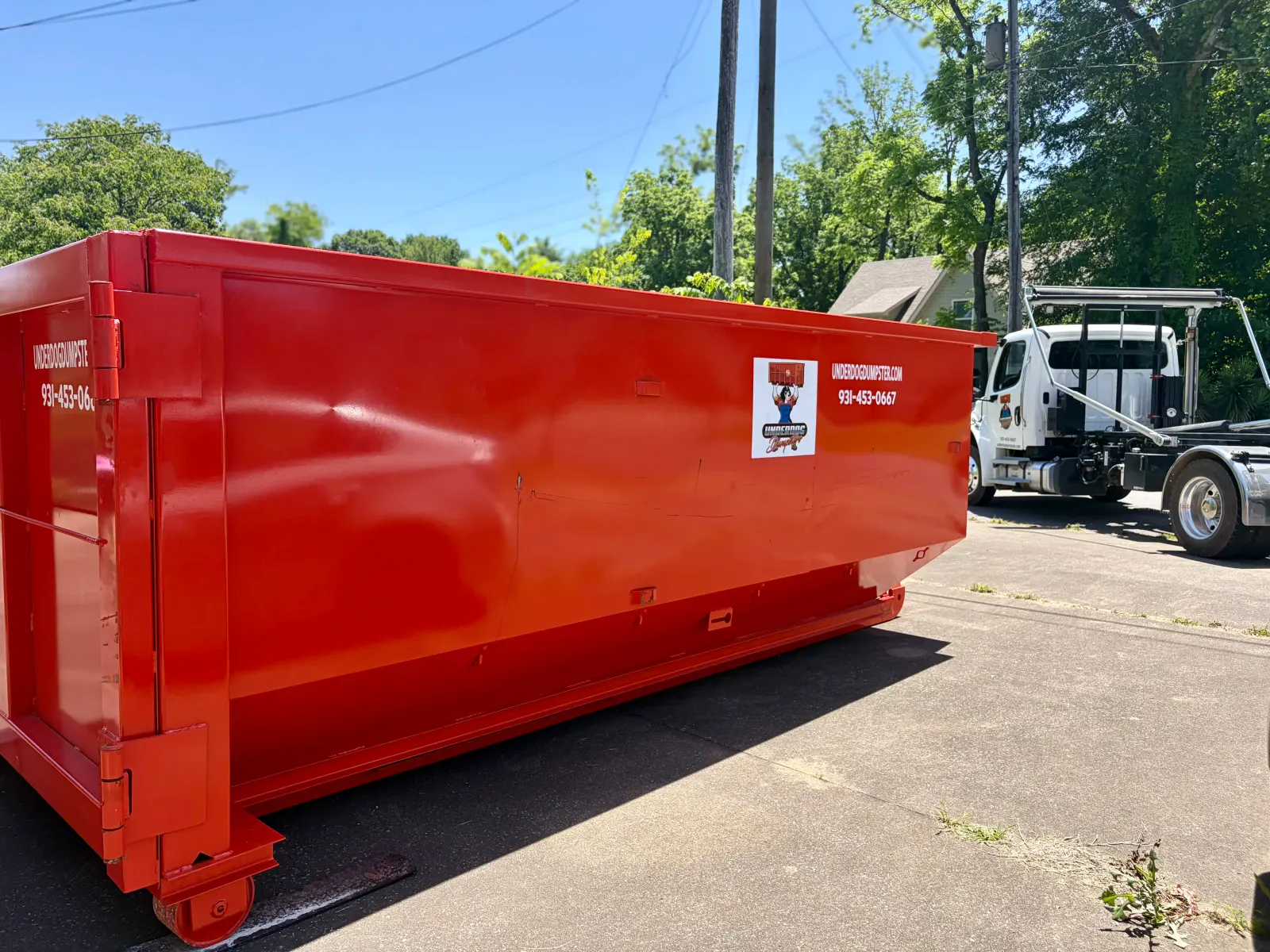
Useful photos show the company’s trucks, containers, and people doing the work. Compare the branding in those photos with the business you are contacting.
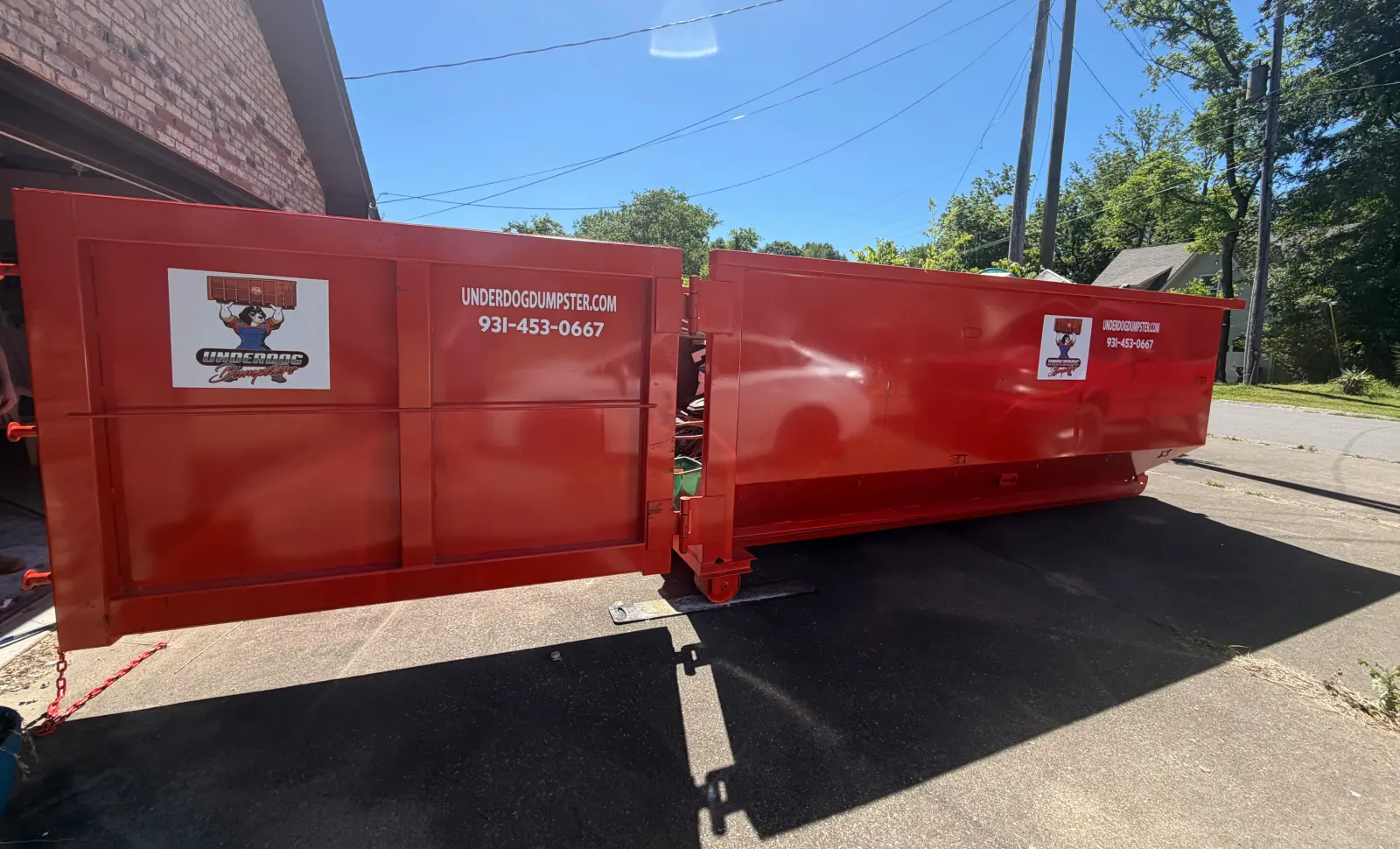
Look for a company story that identifies who runs the operation and a service area someone can explain in practical terms. Can the team discuss access to your property, the material you are disposing of, and the equipment needed for your delivery?
A photo gallery supports those answers; it does not replace them. A new operator may have a small gallery, and an unfamiliar logo on equipment deserves a question before it deserves a conclusion.
4. Read reviews for the rental experience
Go beyond the star rating. Look for feedback about placement, delivery, pickup, communication, and how the company handled a change.
A review describing a driveway delivery or a completed cleanout gives you more decision-making detail than a short compliment. Read recent feedback from more than one source when possible, including how the business responds to problems.
The Federal Trade Commission’s guidance on online reviews recommends considering multiple sources and cautions that appearances alone cannot reliably distinguish real reviews from fake ones.
There is no magic review count that proves a company is local or identifies it as a broker. A short review history is a reason to investigate further.
5. Treat city names and addresses as clues
A page titled “Dumpster Rental in Clarksville” tells you the market being advertised. It does not identify who operates the delivery truck. A local phone number also cannot answer that question by itself.
At the same time, a missing public street address is not proof that a business is fake or a broker. Google tells businesses that deliver to customers, but do not serve customers at their own address, to remove that address from their Business Profile. That is a normal setup for a legitimate service-area business. See Google’s service-area business guidance.
Ask where the company operates and who will fulfill your rental. Evaluate the explanation alongside the agreement, photos, and customer feedback.
Do dumpster brokers charge more?
A brokered quote pays for the hauling service and the broker’s role in arranging it. Booking directly removes that separate intermediary, but it does not automatically guarantee the lowest total price.
Compare what each quote actually includes. Two offers for a “20-yard dumpster” can have different rental periods, weight allowances, and extra charges.
Before choosing, confirm:
- Container size and dimensions: Will it handle the project and fit the available placement area?
- Rental period: When does the rental begin, and when do extra-day charges start?
- Included weight: How much disposal weight is included, and what does additional weight cost?
- Delivery, pickup, and disposal: Which costs are included in the quoted amount?
- Material restrictions and surcharges: Is your debris accepted, and do any items carry an additional charge?
- Other possible charges: Ask about taxes, transport fees, unsuccessful delivery or pickup attempts, extensions, and cancellation terms.
Remember that dumpster volume and included disposal weight are different measurements. The container’s yard size does not tell you how many pounds or tons your price includes.
A lower advertised price is only useful when you understand what the final rental could cost for your project.
Who helps when delivery or pickup plans change?
Imagine your renovation finishes early. The dumpster is full, and you need the driveway back before the next contractor arrives.
Who can confirm a pickup date?
With a brokered rental, your request may need to pass from the seller to the hauling company before you receive an answer. With a direct rental, you contact the company managing the hauling operation. Its office can work with its own dispatch team, although available truck time still determines what can be scheduled.
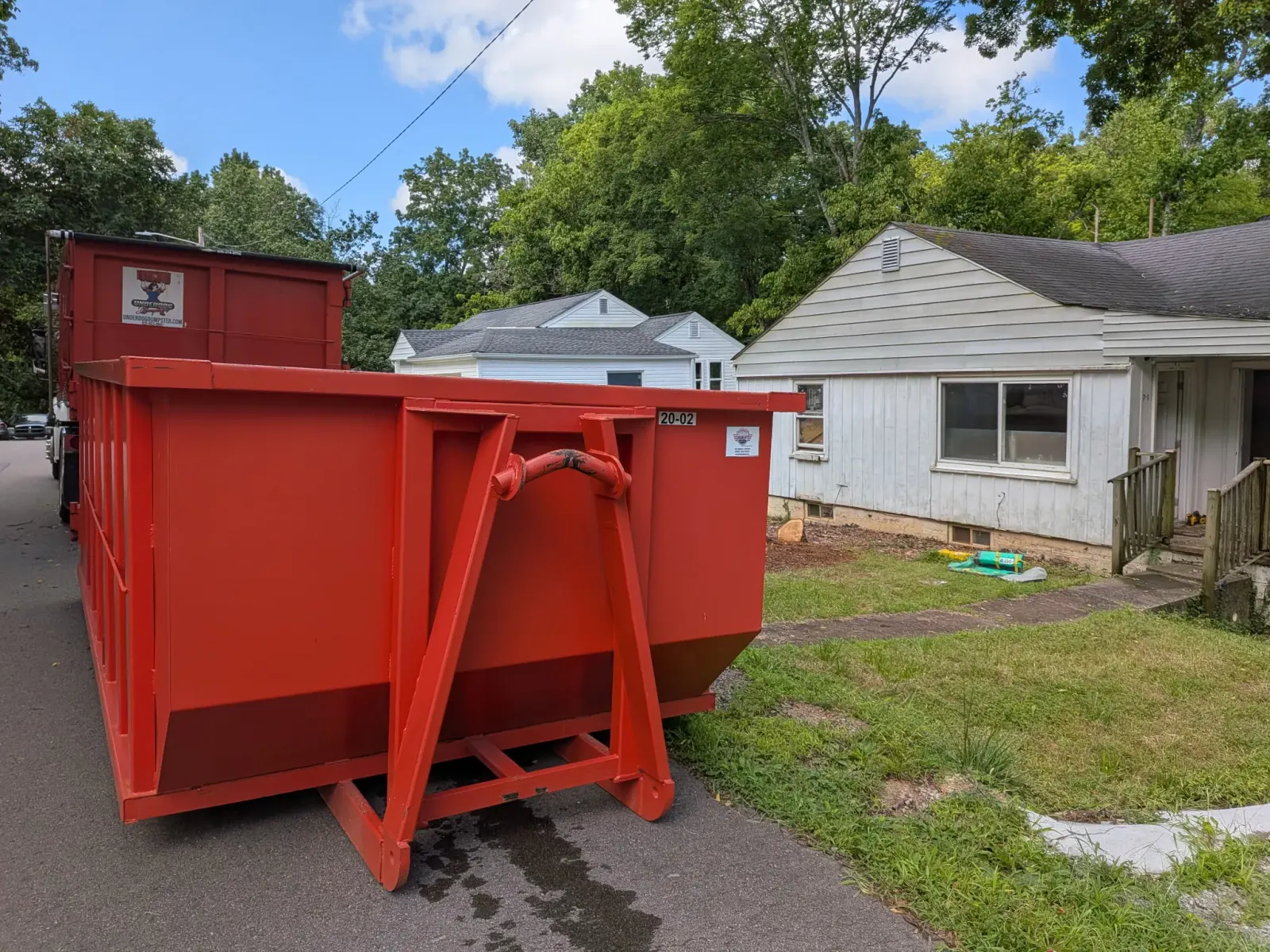
That is the practical reason to understand the relationship before booking: you know where a request goes and who can act on it.
Also ask whether pickup is automatic at the end of the rental or whether you must request it. Do not assume a listed rental period answers the scheduling question.
Use this short checklist when you call:
- Who will deliver and pick up my dumpster?
- What is included in my quote, and what could cost extra?
- Who handles placement questions or schedule changes?
- Do I need to request pickup, and how much notice is required?
- How will you confirm my delivery and pickup arrangements?
A clear answer to each question helps you plan the work around the rental.
Is a dumpster broker the same as a lead-generation website?
They perform different roles. A lead-generation website generally connects an inquiry with another business. A broker arranges the service and may sell the rental and collect payment. A business can perform more than one role.
Ask who is accepting your order, who is receiving your payment, and who will carry out the hauling. Those answers matter more than the label on the website.
Does online booking mean you are dealing with a broker?
No. A local operator can offer online quotes, scheduling, and payment while running its own delivery operation. An online checkout tells you how the order is placed; it does not tell you who fulfills it.
You can have the convenience of booking online and a direct relationship with the company bringing your dumpster.
Rent directly from Underdog Dumpster in Clarksville
Underdog Dumpster is a local, family-owned dumpster rental company based in Clarksville, Tennessee. Our husband-and-wife ownership team was born here, and our owners and crew grew up in Montgomery County. When you book directly with Underdog, you are hiring the local operation behind the delivery and pickup.
Here is what that means for your project.
Experience that shapes the equipment we bring
Our founder is a second-generation roll-off professional with decades in the business. That experience informs the equipment we choose and how we think through a delivery.
We use compact dumpster boxes and equipment selected to balance hauling capability with maneuverability. Tell us about the driveway, gate, overhead obstacles, or limited space before booking so we can discuss placement. Every property still needs suitable access.
You can read more about Underdog’s local roots and approach to dumpster rental.
Driveway protection built into the delivery
We place poly dumpster slides beneath our dumpsters on concrete and asphalt driveways. The slides create a protective barrier at the container’s contact points, helping reduce direct contact with the surface.
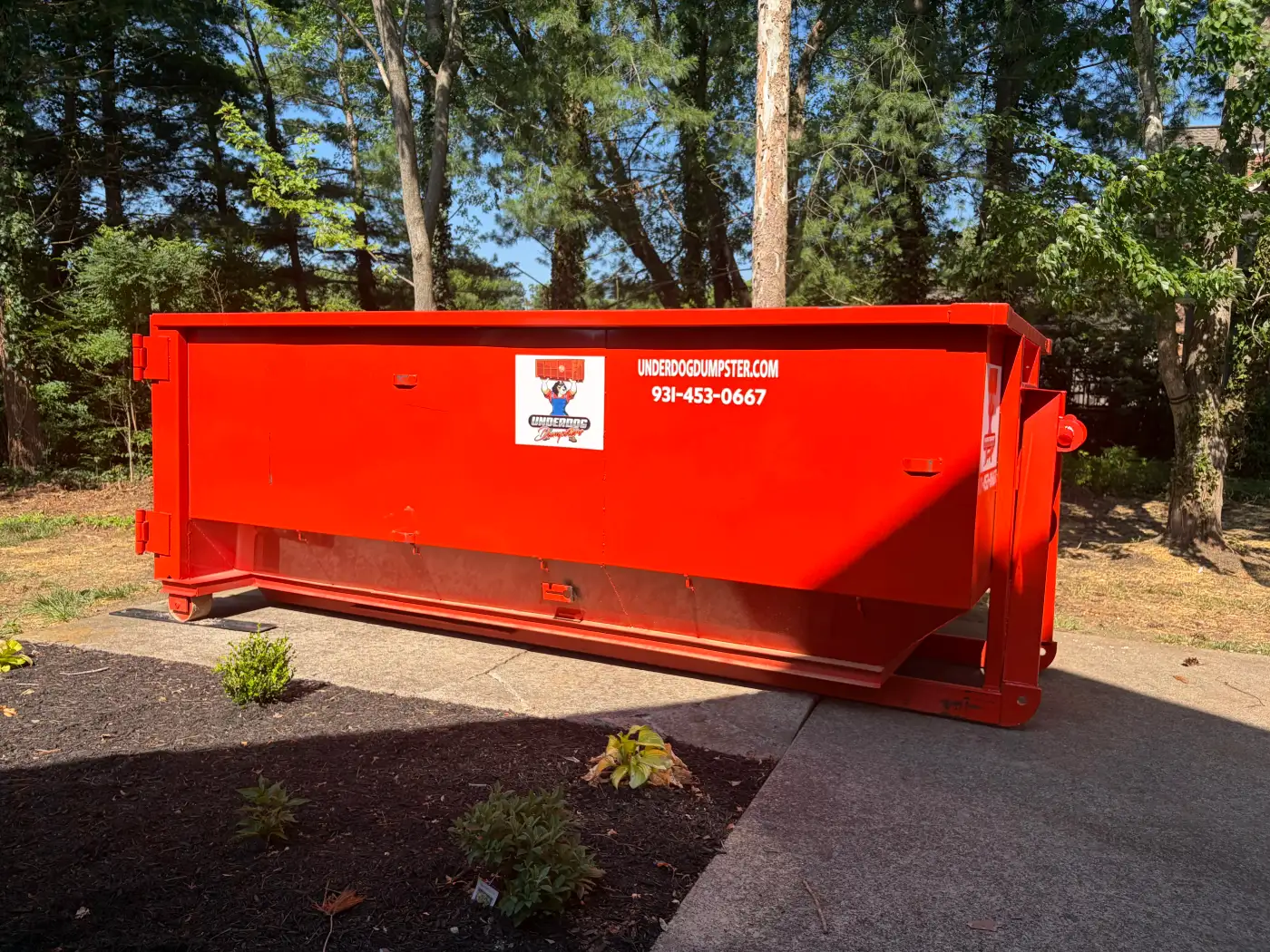
They are a practical precaution, not a guarantee against every mark or every problem with an existing driveway. Caring for your property is part of planning the delivery.
Online booking connected to our dispatch
You can book and pay online 24/7. Once your order is paid, it goes directly onto our dispatch board for delivery planning.
That lets you arrange the rental when you have time, whether you are planning after dinner or getting a project organized before work. Online booking is available around the clock; delivery and pickup take place Monday through Friday.
Someone to help you choose
If you would rather talk through the project, call 931-453-0667. Ali can walk you through your options Monday through Friday, 8 a.m. to 4 p.m. Tell her what you are throwing away, how long you expect the work to take, and where the dumpster needs to go.
We offer 10-, 15-, 20-, and 25-yard dumpsters. You can compare our dumpster sizes and rental options before deciding.
Our service area includes Clarksville, Woodlawn, Sango, Dover, and Pleasant View. Share your delivery address so we can confirm service for your property.
Before you rent a dumpster, know who is bringing it. In Clarksville, you can book directly with Underdog.
Book Your Underdog Dumpster Online
Prefer to talk through your project? Call 931-453-0667.